🏗️ Two-way radios are essential on construction sites for clear, fast, and reliable communication. But when it comes to choosing the right type, a common question arises: Should you use UHF or VHF radios?

🏷️ Two Way Radio Deals ⭐⭐⭐⭐
📻 Recommended Construction Radios
For most construction sites, choose a UHF radio. It performs better around concrete, steel, walls, and indoor work areas. Choose VHF mainly for open outdoor sites with clear line-of-sight.
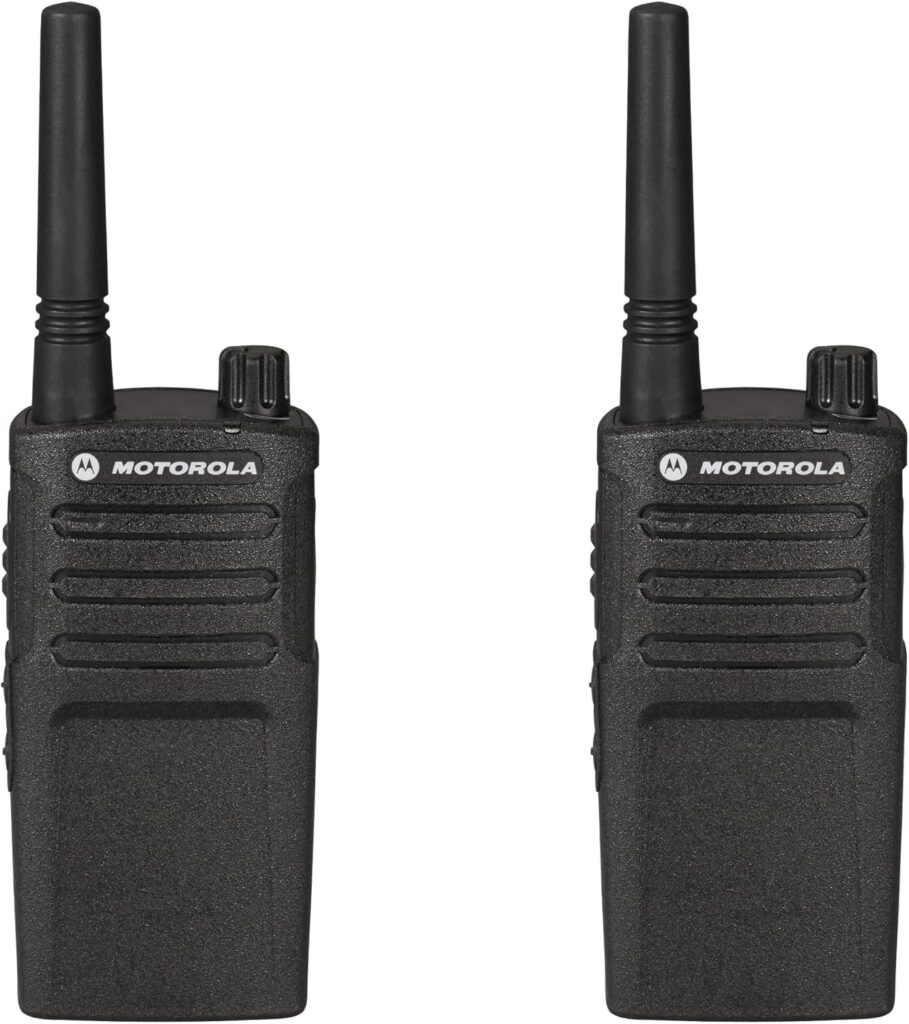
🏆 Motorola RMU2040 – Best UHF Pick
Rugged, clear-sounding, and license-free UHF radio for most construction environments.
💼 Kenwood TK-3402U16P – Pro UHF Option
Higher-power UHF option for professional construction crews that need reliable job-site communication.
💰 Baofeng BF-888S – Budget UHF Pick
Affordable programmable UHF handheld for basic communication needs.
Quick pick: Go with UHF for buildings and job sites with obstacles. Choose VHF only for mostly open outdoor work.
📡 Recommended VHF Construction Radios
If your crews work primarily outdoors with minimal obstructions, VHF radios can provide better range than comparable UHF models. They are especially well-suited for road construction, utility work, farms, and large open job sites.
🏆 Kenwood TK-2402V – Best Overall VHF Pick
Built for demanding outdoor environments, the TK-2402V delivers dependable long-range communication and commercial-grade durability for professional crews.
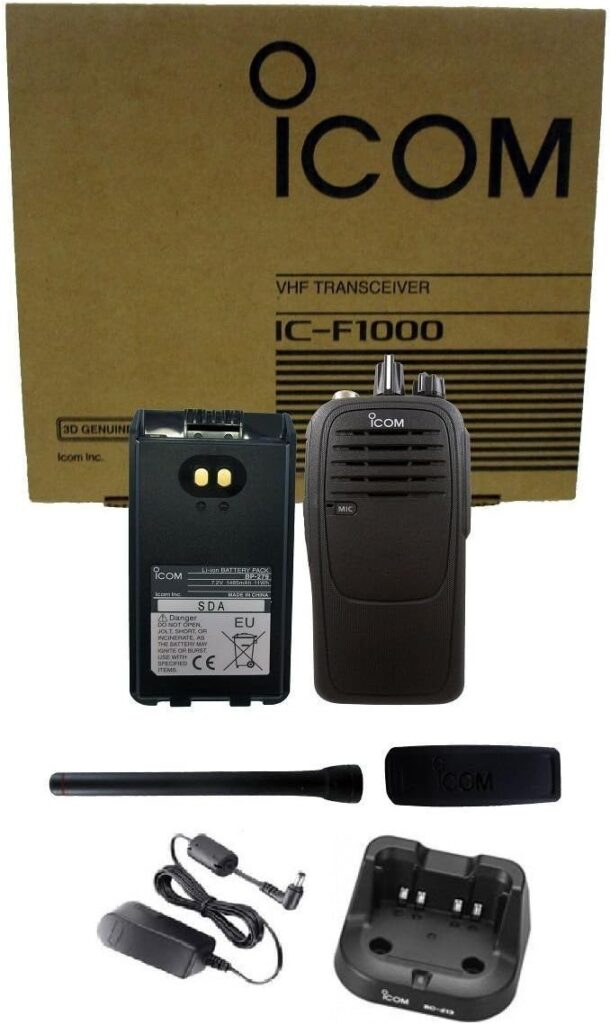
💧 ICOM IC-F1000 – Best Rugged VHF Radio
A lightweight, water-resistant handheld designed for outdoor operations where reliability and portability are equally important.
💰 Midland LXT500VP3 – Best Budget VHF Option
An affordable choice for outdoor-only applications where cost is the primary consideration and extreme durability is not required.
Quick recommendation: Choose a VHF radio if your team operates mostly in open areas with clear line-of-sight. For buildings, warehouses, and dense construction sites, UHF is usually the better choice.
Both have their strengths, but the right choice depends on your environment, building materials, and range requirements. In this article, we break down the differences between UHF and VHF radios and help you pick the best one for your job site.
📡 What’s the Difference Between UHF and VHF?
| Band | Stands For | Frequency Range | Typical Use |
|---|---|---|---|
| UHF | Ultra High Frequency | 400–520 MHz | Indoors, urban, construction |
| VHF | Very High Frequency | 136–174 MHz | Outdoors, open areas, rural |
UHF (Ultra High Frequency)
- Better at penetrating walls, concrete, and steel
- Works well in multi-story buildings and dense construction zones
- Slightly shorter range outdoors but more reliable indoors
VHF (Very High Frequency)
- Travels farther in open spaces with fewer obstructions
- Ideal for outdoor-only jobsites, like road work or agricultural construction
- Prone to interference from buildings and machinery indoors
🏗️ Which Is Better for Construction Sites?
In most construction environments, UHF radios are the better choice.
🔧 Why UHF is Preferred:
- Signal passes through concrete, rebar, and drywall more effectively
- Reduces dead zones in basements, stairwells, or steel-frame structures
- More suitable for urban and commercial construction sites with varied layouts
🛠️ When VHF Makes Sense:
- You’re working on open land, roadways, or line-of-sight projects
- There’s minimal building material interference (e.g., pipeline projects or fencing)
- You need maximum outdoor range with fewer channel congestions
📊 Quick Comparison: UHF vs VHF for Construction
| Feature | UHF Radios | VHF Radios |
|---|---|---|
| Frequency Range | 400–520 MHz | 136–174 MHz |
| Range (Indoor) | Excellent | Poor |
| Range (Outdoor) | Good | Excellent |
| Penetration (Walls/Steel) | ✅ Yes | 🚫 No |
| Ideal Environment | Construction sites, urban areas | Open fields, long-range outdoor |
| Interference Resistance | Better indoors | Better in rural areas |
| Antenna Length | Shorter | Longer |
| Licensing | Required for business bands (FRS/GMRS exempt) | Same |
🧰 Top UHF Radios for Construction
- Motorola RMU2040 – Rugged, clear audio, license-free UHF
- Kenwood TK-3402U16P – High-power UHF, ideal for pro construction crews
- Baofeng BF-888S – Budget-friendly, programmable UHF handheld

🏕️ Top VHF Radios (If You’re Working Outdoors)
- Kenwood TK-2402V – Built tough for long-range use
- ICOM IC-F1000 – Water-resistant, lightweight VHF unit
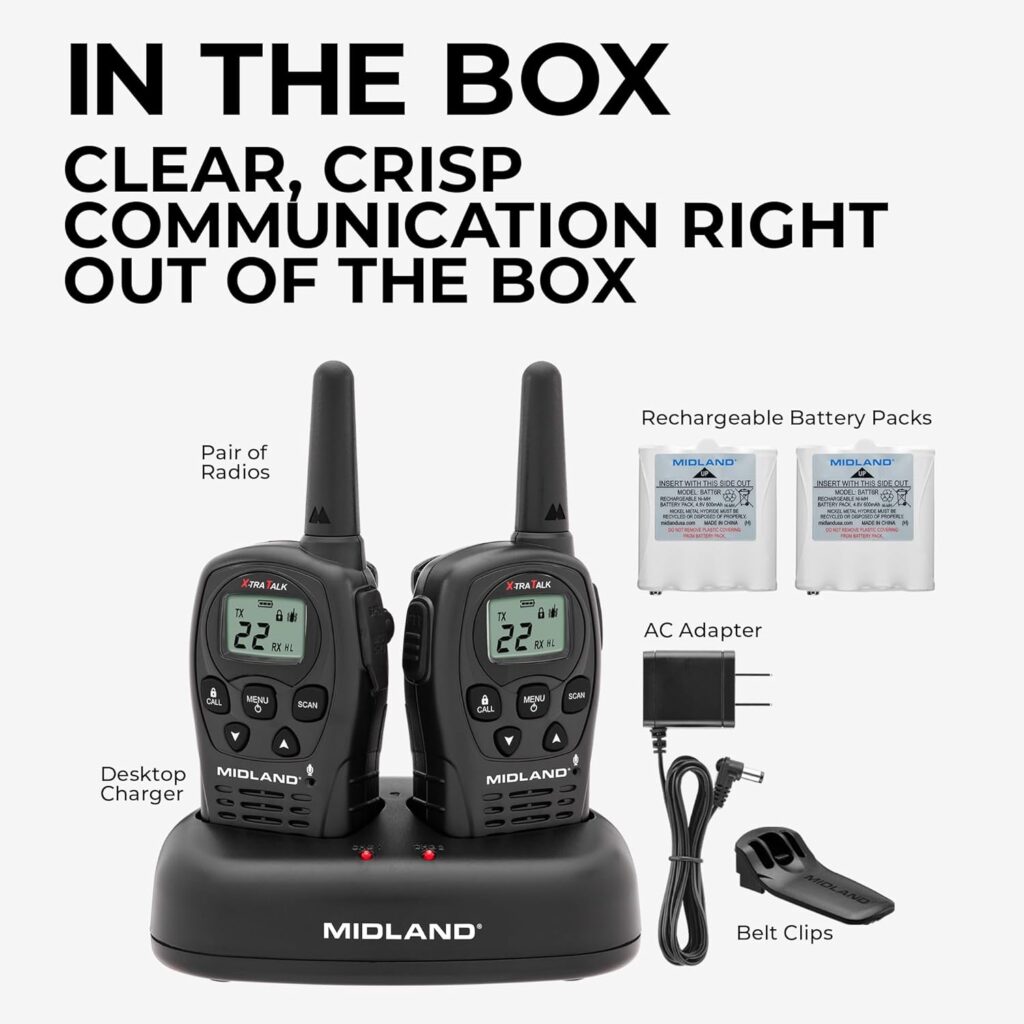
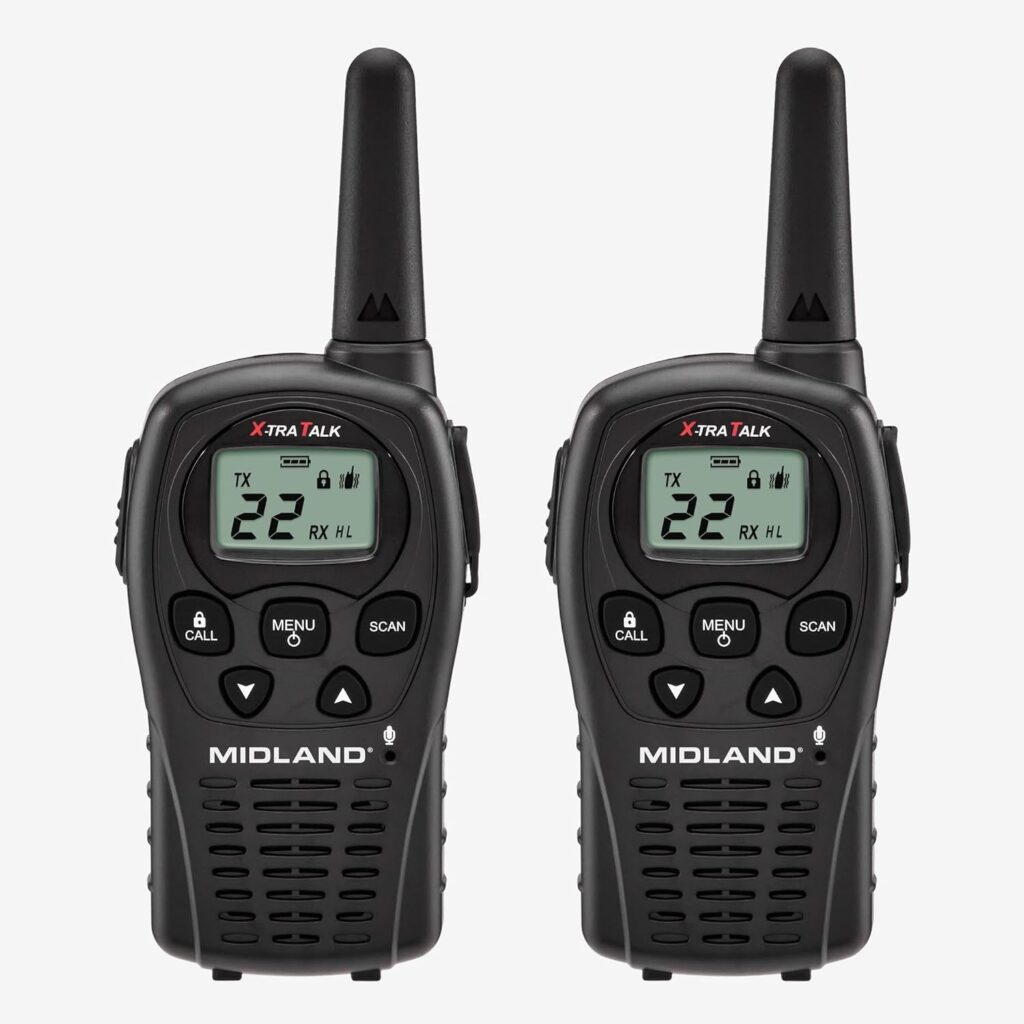
- Midland LXT500VP3 – Affordable for outdoor-only use

🧠 Pro Tips Before Buying
- Always check FCC licensing requirements for your radio band
- Ensure all radios on-site use the same band (UHF and VHF radios can’t talk to each other without a repeater)
- Consider a dual-band radio if your job varies from indoors to outdoors
✅ Final Verdict
For construction, UHF radios are usually the best choice.
They outperform VHF in buildings, through concrete, and around steel—exactly the kind of conditions found on most job sites.
VHF radios may work better for long-range, rural projects with few physical barriers. But for most contractors, supervisors, and workers operating heavy machinery or coordinating across multiple trades, UHF is the frequency band to trust.