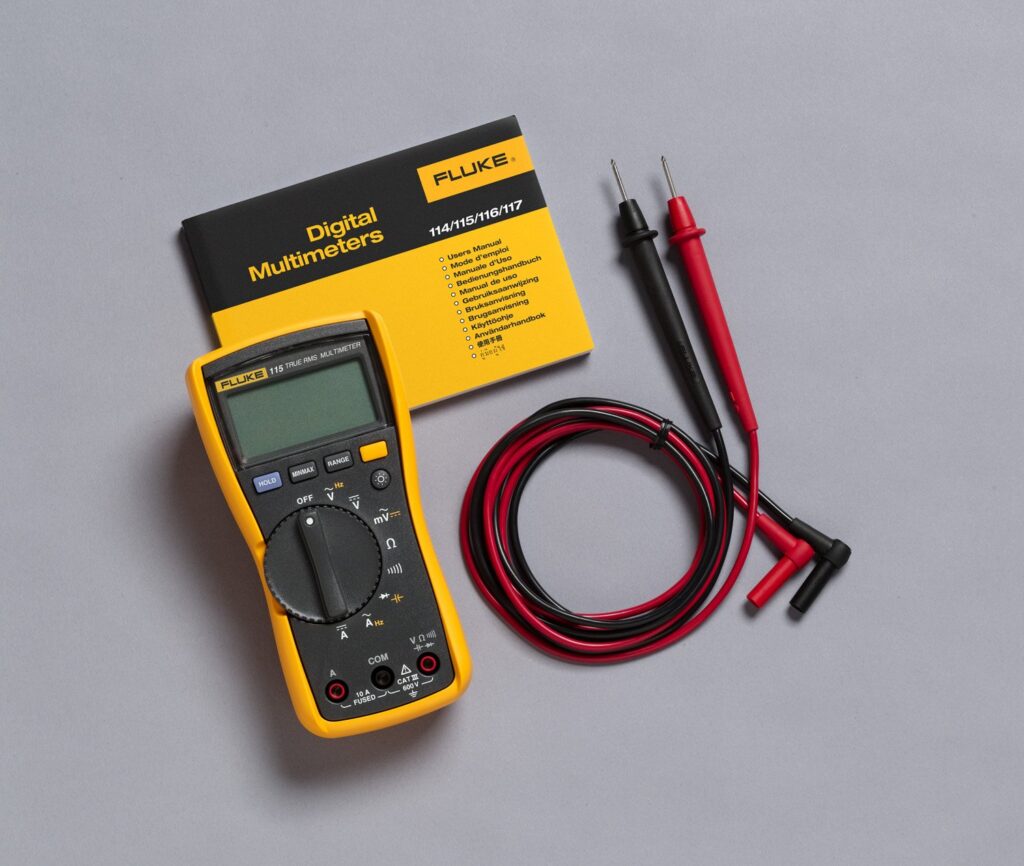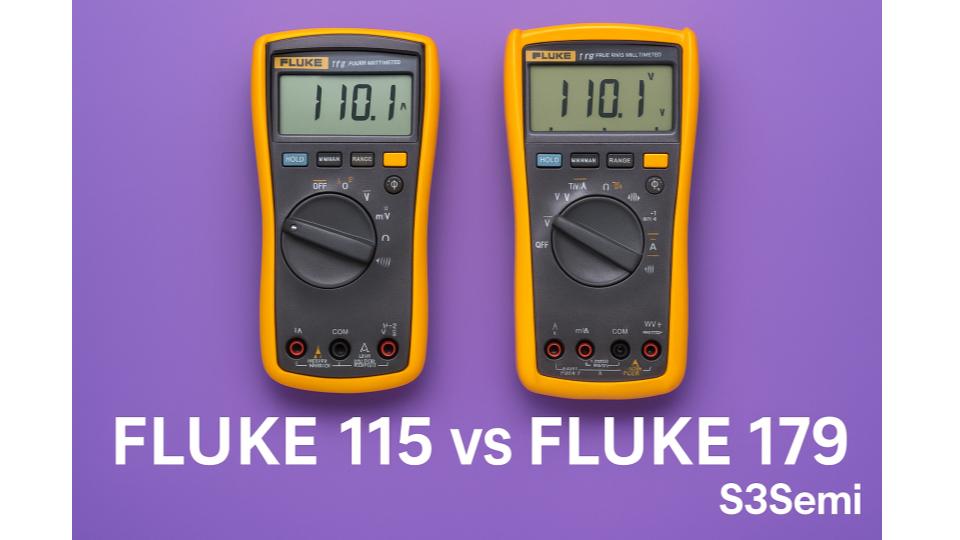
Fluke multimeters are known for their precision, ruggedness, and professional-grade performance. Two of their most popular models – the Fluke 115 and Fluke 179, are often compared because they occupy similar spots in the lineup, appealing to both electricians and advanced DIY users.
🏷️ Fluke Multimeter Deals ⭐⭐⭐⭐
At first glance, they look alike, but the 179 is a higher-end model with features that cater to more demanding applications. Let’s compare them side by side.
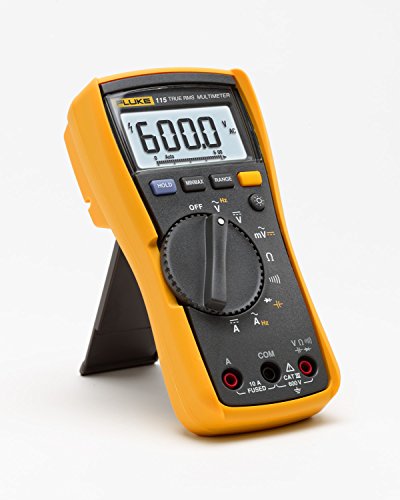
🔍 Overview of the Fluke 115
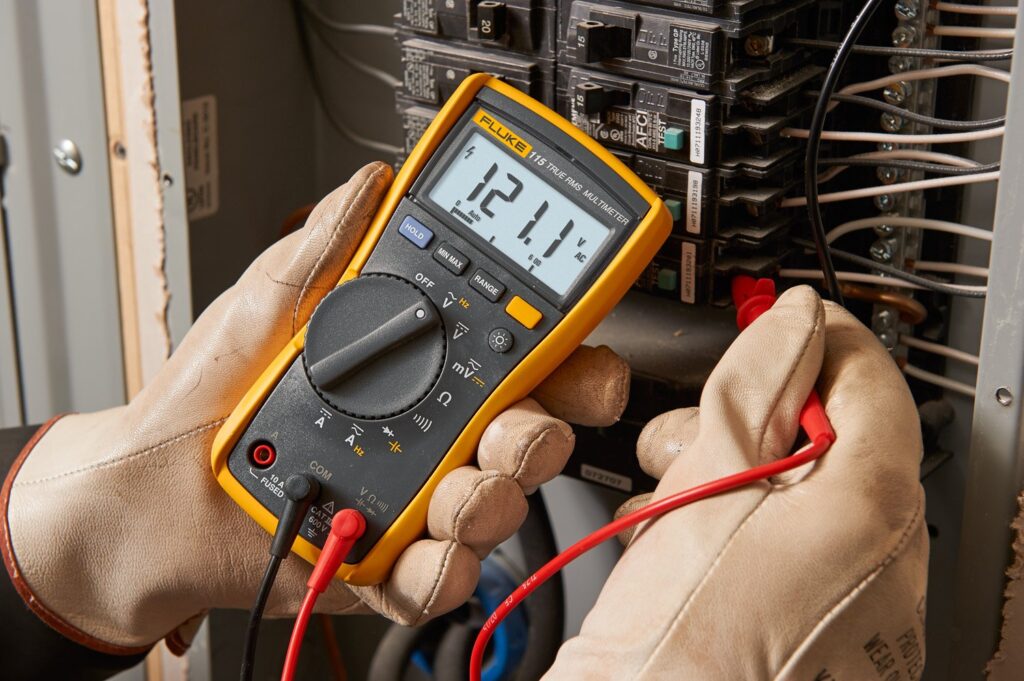
The Fluke 115 is a compact, True RMS multimeter designed for field technicians and general-purpose electrical troubleshooting.

It’s portable, easy to use, and precise enough for most residential, automotive, and light industrial tasks.
Key Features:
- True RMS for accurate readings on non-linear loads
- Measures AC/DC voltage, current (up to 10A), resistance, capacitance, frequency, and continuity
- LoZ (Low Input Impedance) helps eliminate ghost voltages
- Large white LED backlight for dim environments
- CAT III 600V safety rating
Best For: Electricians, technicians, and general-purpose users who want a reliable, easy-to-carry multimeter for day-to-day diagnostics.
⚙️ Overview of the Fluke 179
The Fluke 179 is a full-featured, True RMS digital multimeter designed for professional electricians and engineers who need advanced accuracy and temperature measurement.

Key Features:
- True RMS accuracy on all loads
- Measures voltage, current, resistance, capacitance, frequency, and temperature
- Min/Max/Average recording for monitoring variations
- Backlit digital display with analog bar graph
- CAT III 1000V / CAT IV 600V safety rating
- Lifetime warranty (vs. limited warranty on lower models)
Best For: Professional electricians, maintenance engineers, and industrial users who require temperature measurement and higher voltage safety ratings.
📊 Side-by-Side Comparison
| Feature | Fluke 115 | Fluke 179 |
|---|---|---|
| True RMS | ✅ Yes | ✅ Yes |
| Voltage Range | Up to 600V | Up to 1000V |
| Current Range | Up to 10A | Up to 10A |
| Temperature Measurement | ❌ No | ✅ Yes (with thermocouple) |
| Display | Backlit LCD | Backlit LCD with analog bar graph |
| Recording (Min/Max/Average) | ✅ Yes | ✅ Yes |
| LoZ Function | ✅ Yes | ❌ No |
| Safety Rating | CAT III 600V | CAT III 1000V / CAT IV 600V |
| Warranty | 3 years | Lifetime |
| Typical Use | General purpose | Professional / Industrial |
| 💳 Pricing | 💲 Check Price | 💲Check Price |
✅ Pros and Cons
Fluke 115 Pros
- Compact and lightweight – perfect for field use
- True RMS ensures accurate readings
- LoZ function prevents false voltage readings
- More affordable than the 179
Fluke 115 Cons
- No temperature measurement
- Lower voltage safety rating
- Slightly smaller display than the 179
Fluke 179 Pros
- Measures temperature with included thermocouple
- Higher safety rating for industrial work
- Backlit display with analog bar graph for better trend visibility
- Lifetime warranty and superior build quality
Fluke 179 Cons
- More expensive than the 115
- Slightly larger and heavier
- Overkill for basic residential or automotive use
🏆 Verdict: Fluke 115 or Fluke 179?
Both models deliver the accuracy, reliability, and build quality that make Fluke meters industry favorites — but they serve slightly different audiences.
- Choose the Fluke 115 if you’re a field technician, general electrician, or hobbyist who values portability and simplicity without sacrificing accuracy.
- Choose the Fluke 179 if you’re a professional electrician or engineer who needs temperature measurement, higher safety ratings, and lifetime durability.
👉 In short:
- Fluke 115 = Compact, reliable, and affordable for everyday use.
- Fluke 179 = Professional-grade precision and durability for industrial environments.