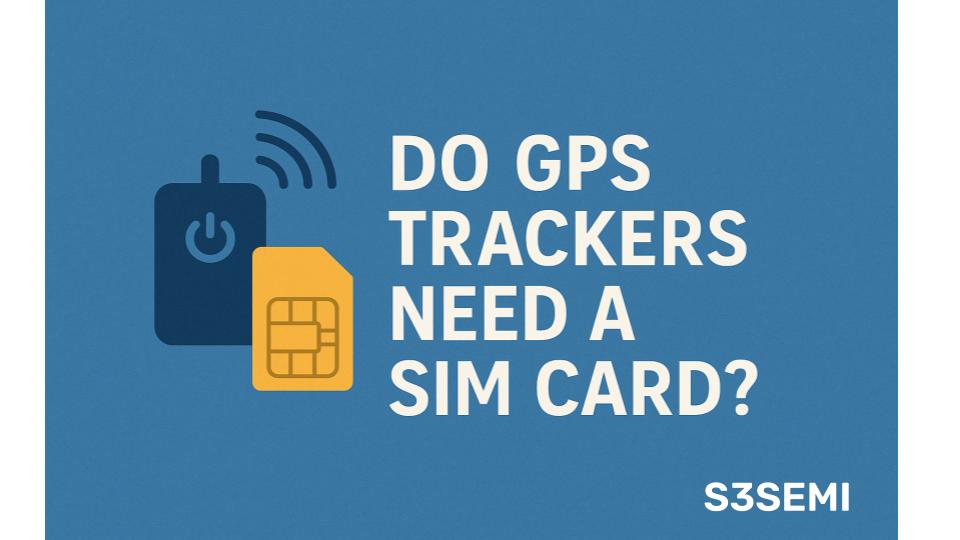
Most people assume GPS trackers need a SIM card to work, but that’s only half true. The GPS chip inside a tracker does not require a SIM card because it only listens to satellites – it never transmits anything. The real reason many GPS trackers include a SIM card is simple: you can’t receive real-time location updates without a way for the tracker to send data back to you, and that requires a cellular network.
So the rule is:
- GPS = Finds the location
- SIM = Sends the location to your phone
Any tracker that provides live updates, movement alerts, geofencing notifications, or vehicle tracking almost always uses a SIM card. Meanwhile, devices like AirTags, GPS data loggers, and satellite communicators don’t rely on SIM cards at all because they use completely different technologies.
In this guide, we’ll break down exactly which trackers need SIM cards, which don’t, why, and how to choose the right type for your needs.
Quick Summary
✅ Most real-time GPS trackers do need a SIM card, but not because GPS requires it. GPS receivers only listen to satellites. The SIM card is needed to send the tracker’s location to your phone over cellular networks.
Trackers that DO need SIM cards:
- Real-time GPS trackers
- Vehicle trackers
- Fleet trackers
- Any tracker that sends live updates
Trackers that DO NOT need SIM cards:
- Bluetooth trackers (AirTag, Tile)
- GPS data loggers
- Satellite communicators
- WiFi-based location devices
Simple rule:
- GPS gets the location
- SIM transmits the location
If you need real-time tracking from anywhere, you need a SIM-card-based tracker.
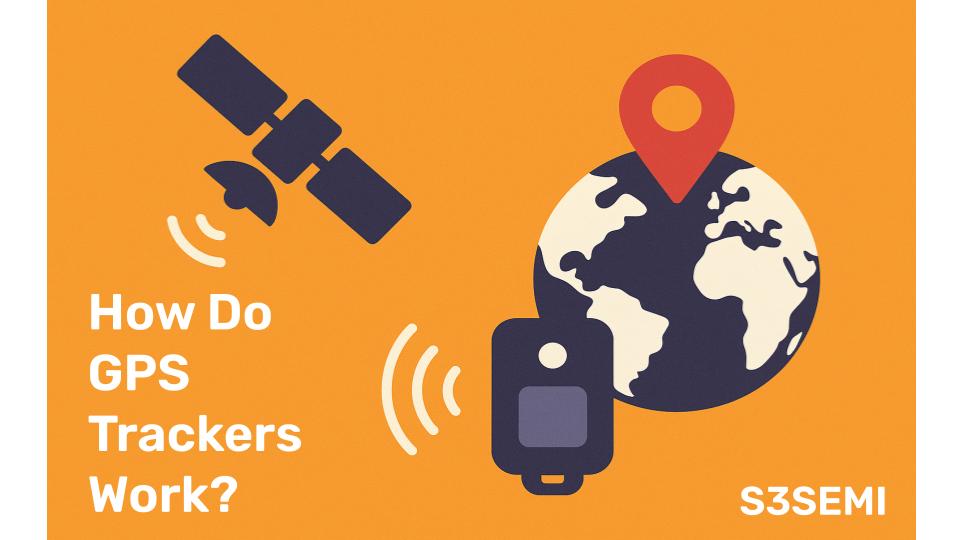
🛰️ How GPS Works
GPS receivers listen to satellite signals. They:
- Receive timing signals
- Calculate latitude, longitude, and altitude
- Operate passively
- Do NOT require internet, cellular, or a SIM card
But GPS receivers cannot send those coordinates to you.
That’s the SIM card’s job.
📱 Why Most GPS Trackers Have SIM Cards
SIM-enabled trackers can:
- Send real-time location
- Provide alerts (speeding, geofencing, movement)
- Upload tracking history
- Work anywhere with cellular coverage
The SIM powers the tracker’s cellular modem, enabling live updates to your app.
📦 Trackers That Require SIM Cards
Common real-time trackers with subscriptions include:
- LandAirSea 54 – 4G LTE, $25/mo
- Spytec GL300 – Highly accurate and reliable
- Tracki – Global SIM, works in 185+ countries
- Bouncie – $8/mo, excellent for vehicles
- Verizon Hum – Carrier-locked
Most come with preactivated SIMs included in the subscription.
🧭 Trackers That Don’t Need SIM Cards
🔹 Bluetooth Trackers
Examples: AirTag, Tile, SmartTag
- No GPS
- Use nearby smartphones for updates
- Best for keys, bags, wallets
🔹 GPS Data Loggers
Store GPS routes internally
- No real-time tracking
- Sync via USB/Bluetooth
- Ideal for hiking, research, sports analytics
🔹 Satellite Communicators
Garmin inReach, SPOT
- Use satellites instead of cell towers
- Work anywhere
- Higher upfront and monthly costs
🔹 WiFi-Based Trackers
Less common consumer devices
- Use WiFi network databases
- Limited for general use
🔒 Using Your Own SIM Card
You can use a personal SIM only if the tracker is unlocked.
✔️ Works with unlocked GPS trackers
Requirements:
- Data plan (10–50 MB/month)
- APN configuration
- Compatible LTE bands
❌ Won’t work with locked trackers
Carrier-built devices like Verizon Hum or AT&T SyncUP do not accept third-party SIMs.
⚠️ What Happens If the SIM Card Doesn’t Work
- GPS still calculates location
- But the tracker cannot send that location to you
- No alerts or history uploads
- Some devices store data until coverage returns
🎯 Choosing SIM vs Non-SIM Trackers
Choose a SIM-card tracker if you need:
- Vehicle anti-theft protection
- Real-time updates
- Teen driver monitoring
- Fleet management
- Movement and geofence alerts
Choose a non-SIM tracker if you need:
- A low-cost way to track keys or bags
- Offline GPS route recording
- No monthly fees
- Occasional location updates
🌍 Tracking Internationally
- Domestic SIMs may not work abroad
- Global SIM trackers (e.g., Tracki) support roaming
- Some countries restrict foreign IoT SIMs
🛠️ DIY Setup for Your Own SIM
Steps:
- Insert activated SIM
- Configure carrier APN
- Restart tracker
- Test server connection
Best for tech-savvy users who want to save on monthly fees.
💰 Cost Comparison
SIM-Based Trackers
Typical costs:
- $25–$30/month subscriptions
- $8/month for Bouncie
- $300–$900 total over three years
Non-SIM Trackers
Examples:
- AirTag: $29 one-time
- Tile: $35
- GPS logger: $60–100
- No monthly fees
SIM-based trackers cost more but deliver true real-time tracking.
🔮 The Future: eSIM GPS Trackers
eSIM technology is emerging with benefits such as:
- Smaller device size
- No physical SIM tray
- Better waterproofing
- Remote carrier switching
Adoption is growing, especially in fleet tracking and IoT.
❓ Common Questions
Can I use a GPS tracker with no subscription?
Yes, but only Bluetooth trackers or GPS loggers. Real-time trackers always require service.
Can I use my phone SIM?
Only in unlocked devices, but doing so disables your phone service.
Does GPS work without Internet?
Yes. But sending your location does NOT.
🏁 Final Recommendations
Best SIM trackers
- Spytec GL300 – Most reliable
- Bouncie – Best low-cost option
- Tracki – Best for worldwide use
Best non-SIM trackers
- Apple AirTag – Ideal for personal items
- Columbus V-990 – Best GPS data logger