I had a friend whose truck got stolen from his driveway despite having a “professional-grade” GPS tracker installed. The thief found and disabled it in less than five minutes. When the police recovered the truck two weeks later in a chop shop, they explained exactly how these criminals work – and it was eye-opening. Understanding their methods is the first step to protecting your vehicle or valuables.
Let me show you how thieves actually disable GPS trackers and what you can do to stay one step ahead.
The Most Common Methods Thieves Use
Thieves have developed systematic approaches to finding and disabling GPS trackers. Here are the techniques they use most often:
Signal jamming devices
- Thieves buy GPS jammers online for as little as $30-50
- These devices block GPS signals within a 15-30 foot radius
- They’re illegal in most countries but readily available
- Jammers work by overpowering the GPS signal with radio noise
- Your tracker can’t communicate its location while being jammed
Physical removal
- Experienced thieves know the common hiding spots
- OBD-II port trackers are the easiest to find and remove
- Under-dashboard trackers can be spotted with a flashlight
- Magnetic trackers under the car are found during quick inspections
- Takes only 2-3 minutes if they know where to look
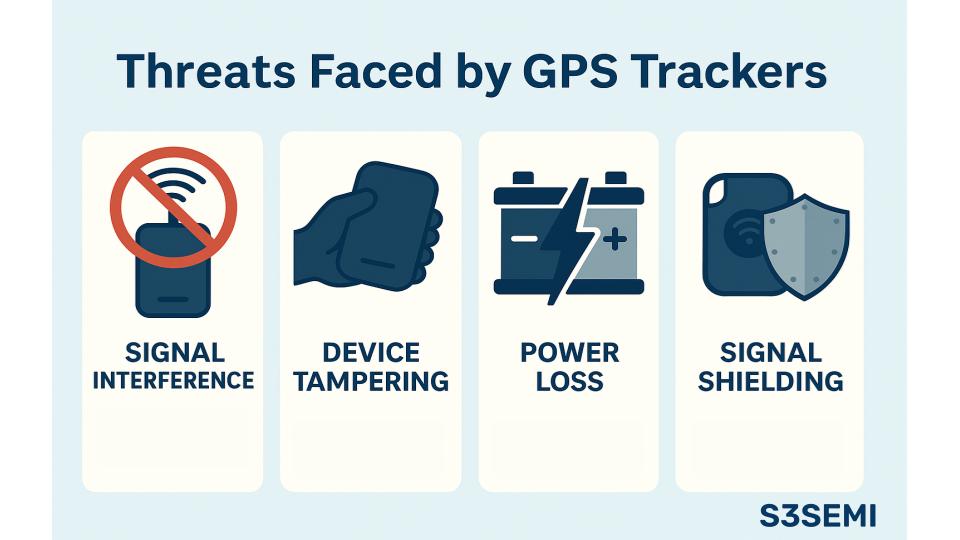
Power disconnection
- Cutting the vehicle’s battery power kills some trackers
- Thieves often disable the battery immediately after breaking in
- Trackers without backup batteries stop working instantly
- This is why professionals steal cars on flatbed trucks
Faraday bags and metal boxes
- Small trackers can be placed in signal-blocking bags
- Metal boxes or aluminum foil completely block GPS signals
- Used for stolen items like laptops, phones, or small valuables
- The tracker keeps working but can’t transmit its location
How Thieves Find Your GPS Tracker
Professional thieves have methods for locating hidden trackers quickly. Understanding their search patterns helps you hide yours better.
Visual inspection comes first:
- They look under the dashboard with a flashlight
- Check around the OBD-II port (the most obvious spot)
- Inspect under seats and in glove compartments
- Look for wires that seem out of place or recently added
- Check for magnetic trackers under the vehicle frame
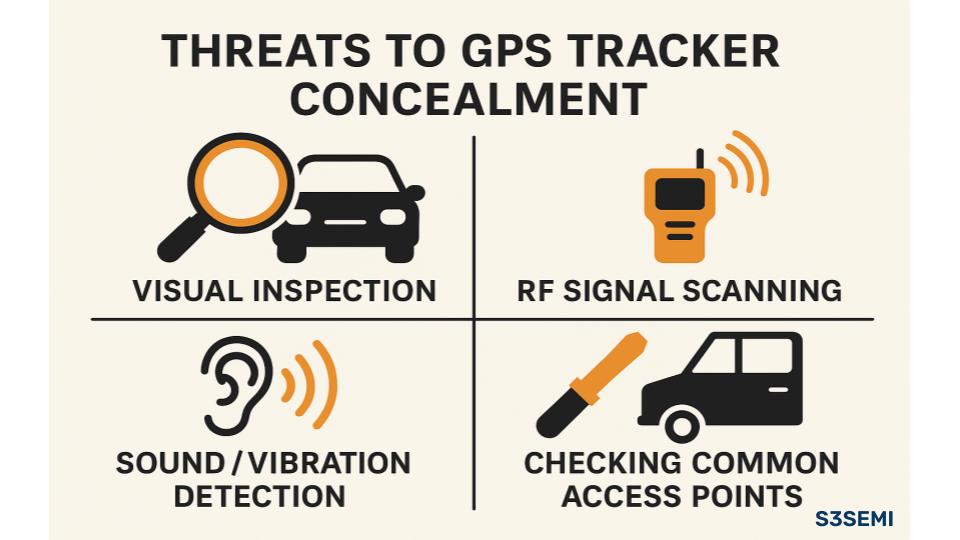
They use RF detectors:
- Radio frequency detectors cost $50-200 online
- These devices find any electronics transmitting signals
- They sweep the vehicle systematically
- Can detect trackers even when hidden inside panels
- More sophisticated thieves always carry these
They listen for sounds:
- Some older trackers make faint clicking or beeping sounds
- Thieves work in quiet environments to hear these
- They also feel for vibrations from active devices
They check common hiding spots first:
- OBD-II port (can check in 5 seconds)
- Under the steering column
- Behind the dashboard
- Inside the center console
- Under seats with Velcro or magnets
- Wheel wells and bumpers (for magnetic trackers)
Why Some GPS Trackers Are Easier to Disable
Not all GPS trackers are created equal. Some are much more vulnerable than others.
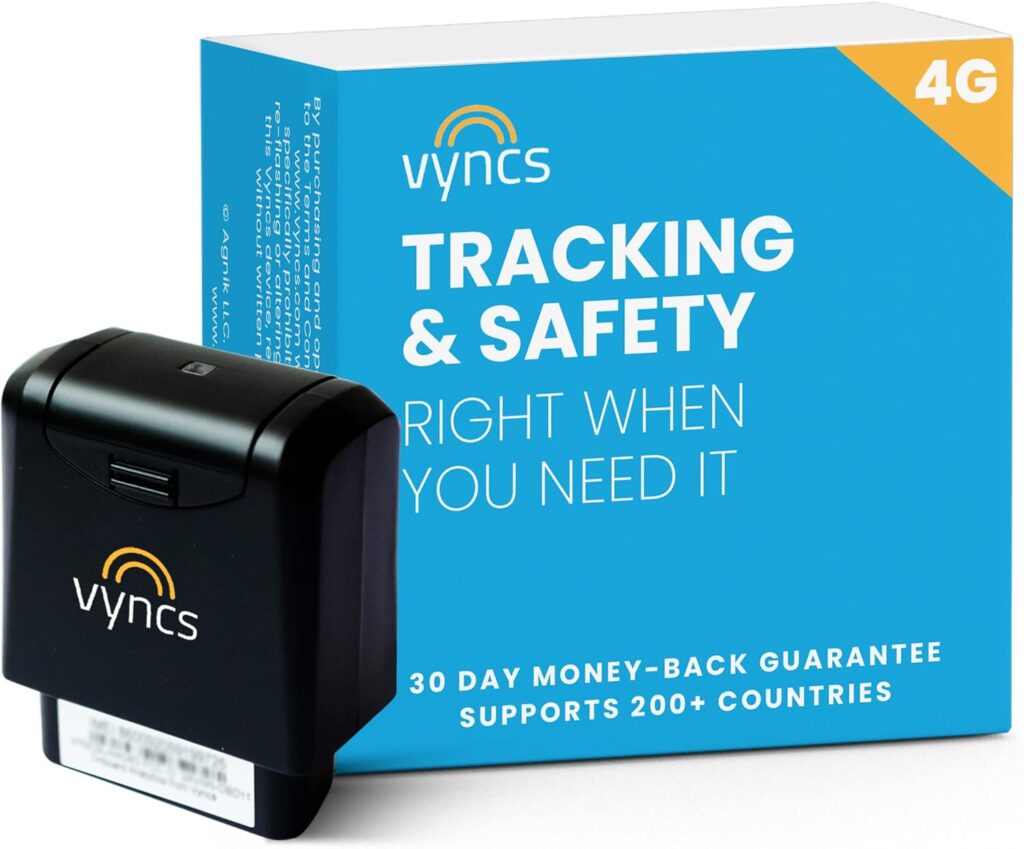
OBD-II port trackers are the worst:
- Plugged directly into your diagnostic port
- Completely visible to anyone who looks
- Can be removed in literally 2 seconds
- First place thieves check
- Only advantage is easy installation
Battery-powered trackers have limitations:
- Once the battery dies, tracking stops
- Thieves can wait out the battery life
- Most last only 1-4 weeks on a charge
- If stolen property isn’t recovered quickly, the tracker becomes useless
Hardwired trackers can be cut:
- Connected to vehicle power
- Thieves can cut the power wire
- Without backup battery, the tracker dies immediately
- Some thieves disconnect the car battery first thing
Trackers with visible antennas:
- External antennas make trackers easy to spot
- Thieves look for antenna wires
- Following the wire leads them to the device
- Internal antennas are much harder to detect
Advanced Techniques Thieves Use
Professional car thieves and organized theft rings use more sophisticated methods.
They store vehicles in metal containers:
- Stolen cars go into shipping containers or metal garages
- Metal walls block all GPS signals
- Your tracker can’t transmit from inside
- By the time the vehicle leaves, it’s often been stripped or altered
They use signal detection apps:
- Smartphone apps can detect cellular and GPS signals
- Free or cheap apps available on app stores
- Help them locate the general area of a tracker
- Combined with visual inspection, very effective
They disable cellular signals:
- GPS trackers need cellular service to transmit location
- Thieves use cellular jammers (separate from GPS jammers)
- Blocks the tracker’s ability to send data
- Your tracker knows where it is but can’t tell you
They know vehicle-specific vulnerabilities:
- Professional thieves study common tracker installations
- They know where dealerships typically install trackers
- They share information about vehicle-specific hiding spots
- Online forums teach these techniques
How to Make Your GPS Tracker Harder to Disable
Now that you know how thieves work, here’s how to protect your tracker.
Choose the right type of tracker:
- Avoid OBD-II trackers for valuable vehicles
- Use hardwired trackers with backup batteries
- Internal antennas are harder to detect
- Look for trackers with anti-jamming features
- Consider trackers that alert you when jamming is detected
Hide it properly:
- Never use obvious locations
- Install deep inside the dashboard or panels
- Use professional installation if possible
- The harder it is for you to access, the harder for thieves
- Consider multiple trackers in different locations
Use backup batteries:
- Essential for continued tracking if main power is cut
- Look for trackers with 24+ hour backup battery life
- Some high-end trackers have multi-day backup power
- This gives you time to locate the vehicle even after power disconnect
Install multiple trackers:
- Professional security uses redundancy
- Hide one tracker in an obvious spot (decoy)
- Hide the real tracker much deeper
- Thieves often stop searching after finding the first one
- Costs more but dramatically improves recovery odds
Combine with other security measures:
- GPS tracker alone isn’t enough
- Use steering wheel locks, kill switches, or alarms
- These slow thieves down and increase chances of getting caught
- More time on scene means more risk for the thief
Advanced Protection Strategies
For high-value vehicles or equipment, consider these professional-level tactics.
Use trackers with motion sensors:
- Get instant alerts when your vehicle moves
- Allows you to respond while theft is in progress
- Some trackers alert you to towing or jacking
- Early warning gives police a better chance of recovery
Choose trackers with jamming detection:
- More expensive but worth it for valuable assets
- Alerts you when jamming is detected
- Some can store location data and transmit later when jamming stops
- Shows you where the jamming occurred
Install in unexpected locations:
- Inside door panels (requires professional installation)
- Behind interior trim pieces
- Inside spare tires
- Sealed inside hollow frame rails
- Under insulation in the roof lining
Use commercial-grade cellular:
- Consumer trackers use regular cellular networks
- Commercial trackers often have better connectivity
- Some use multiple networks for redundancy
- Harder for thieves to completely block signal
Consider satellite-based tracking:
- Doesn’t rely on cellular networks
- Much harder to jam than GPS+cellular
- More expensive with higher monthly fees
- Used for high-value assets like construction equipment
Real-World Example: What Actually Works
A colleague who runs a construction company shared his experience after losing three expensive machines to thieves.
What failed him:
- Cheap battery-powered trackers died too quickly
- OBD-II trackers were found and removed immediately
- Single-network trackers lost signal in rural areas
What worked:
- Hardwired trackers with 48-hour backup batteries
- Multiple trackers per machine (two minimum)
- Professional installation deep inside equipment panels
- Instant motion alerts sent to his phone
- Combination of GPS tracking and physical security (chains, locks)
He recovered two stolen excavators within 24 hours because the thieves only found and disabled the obvious tracker. The hidden backup tracker led police right to them. The third machine was never recovered because it only had one tracker, which the thieves disabled.
Signs Your GPS Tracker Might Be Compromised
Watch for these warning signs that someone might have found or disabled your tracker.
Your tracker goes offline unexpectedly:
- Could indicate physical removal
- Or intentional signal blocking
- Check immediately if this happens
You notice someone inspecting your vehicle:
- Thieves often “case” targets before stealing
- They look for security devices and trackers
- Finding your vehicle inspected is a red flag
The tracker shows strange behavior:
- Intermittent signal loss could indicate jamming attempts
- Check if location updates become irregular
- Sudden changes in reporting patterns
Physical evidence of tampering:
- Disturbed panels or trim pieces
- Signs someone accessed the OBD-II port
- Scratches or marks near potential hiding spots
What to Do If Your Tracker Is Disabled
If you suspect your tracker has been compromised, act quickly.
Check the tracker immediately:
- Log into your tracking app or website
- Look for the last known location
- Check when it last reported
- Save all tracking history
Contact your tracking company:
- Report the issue immediately
- They can check their systems for problems
- May be able to ping the device remotely
- Can review signal logs for jamming attempts
File a police report:
- Do this as soon as you know something is wrong
- Provide last known location data
- Give police your tracker account access
- Time is critical for recovery
Check nearby security cameras:
- Your own cameras or neighbors’
- Businesses near where the vehicle was parked
- May show the thief working on the vehicle
- Can help police identify suspects
The Legal Side: What You Should Know
Understanding the legal aspects of GPS tracking and theft helps you make informed decisions.
GPS tracking your own property is legal:
- You can track vehicles you own
- You can track equipment and assets
- No special permission needed
Jammers are illegal in most countries:
- Illegal to use, sell, or import in the US, EU, and many other places
- Can interfere with emergency services
- Thieves face additional charges if caught with jammers
- However, enforcement is difficult and penalties vary
Recovery should involve police:
- Never confront thieves yourself
- Use tracker data to guide police
- Let law enforcement handle recovery
- Your safety is more important than property
Realistic Expectations
It’s important to understand what GPS trackers can and can’t do.
GPS trackers improve recovery odds but aren’t perfect:
- Studies show 50-70% recovery rate with GPS trackers vs 15% without
- Professional thieves with proper tools can defeat most trackers
- Quick police response is essential
- Some stolen property is never recovered despite tracking
They work best as part of a system:
- Combine GPS with physical security
- Use insurance appropriate for your asset value
- Consider the cost vs benefit for what you’re protecting
- Multiple layers of security work better than tracking alone
Response time matters most:
- The faster you notice and report theft, the better
- Real-time alerts are crucial
- Having a plan before theft happens improves outcomes
- Know who to call and what information they need
Prevention Is Still Your Best Defense
The best way to deal with tracker disabling is to prevent theft in the first place.
Make your vehicle less attractive to thieves:
- Park in well-lit, visible areas
- Use steering wheel locks or brake pedal locks
- Install visible deterrents (alarm stickers, blinking lights)
- Remove valuables from sight
- Consider a kill switch that prevents starting
Layer your security:
- GPS tracker (hidden well)
- Physical security devices
- Alarm system
- Good insurance coverage
- Regular parking in secure locations
Stay informed:
- Know current theft trends in your area
- Understand which vehicles or items are targeted
- Join community watch groups or online forums
- Update your security as theft methods evolve
I learned from my friend’s experience that GPS trackers are incredibly valuable tools, but they’re not magic solutions. The thieves who stole his truck were professionals who knew exactly what to look for. He now has two trackers in his new truck – one in an obvious spot and one that required removing the entire dashboard to install. The obvious one is the decoy. The hidden one is his insurance policy. That’s the mindset you need if you’re protecting something valuable.