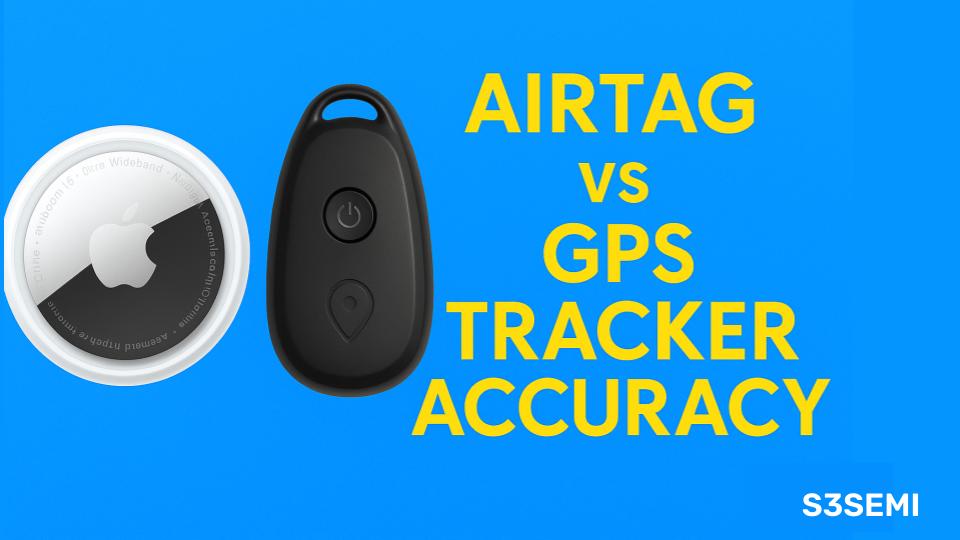
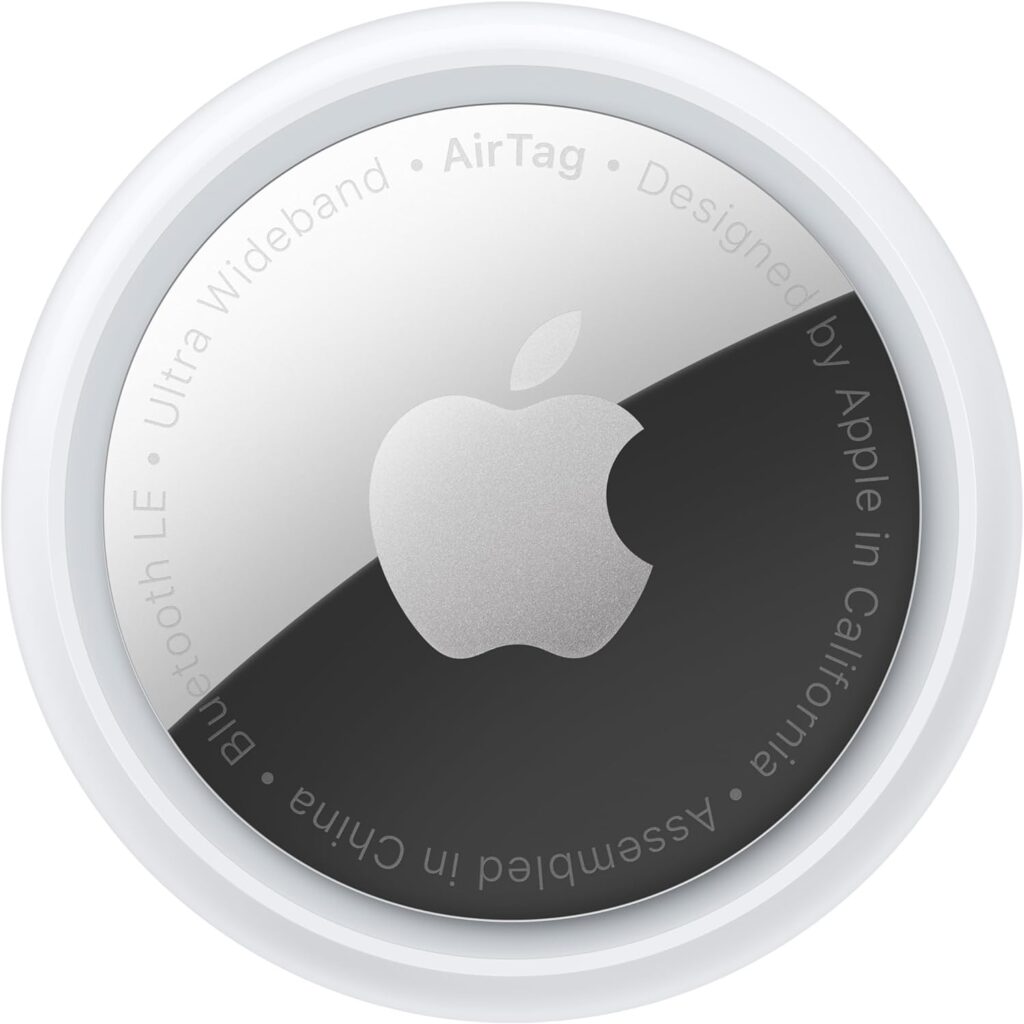
I hid an AirTag and a dedicated GPS tracker in my car last month to test which one would help me find it if stolen. The results surprised me. The AirTag was dead accurate when I was standing near my car – pinpointing the exact location down to a few feet. But when the car was parked across town?

🧳 Apple AirTag Deals ⭐⭐⭐⭐
The AirTag showed a location from six hours ago, while the GPS tracker updated every 60 seconds with precise coordinates. I learned the hard way that “accuracy” means very different things for these two technologies.
Let me break down the real-world accuracy differences between AirTags and GPS trackers so you can choose the right one for your needs.
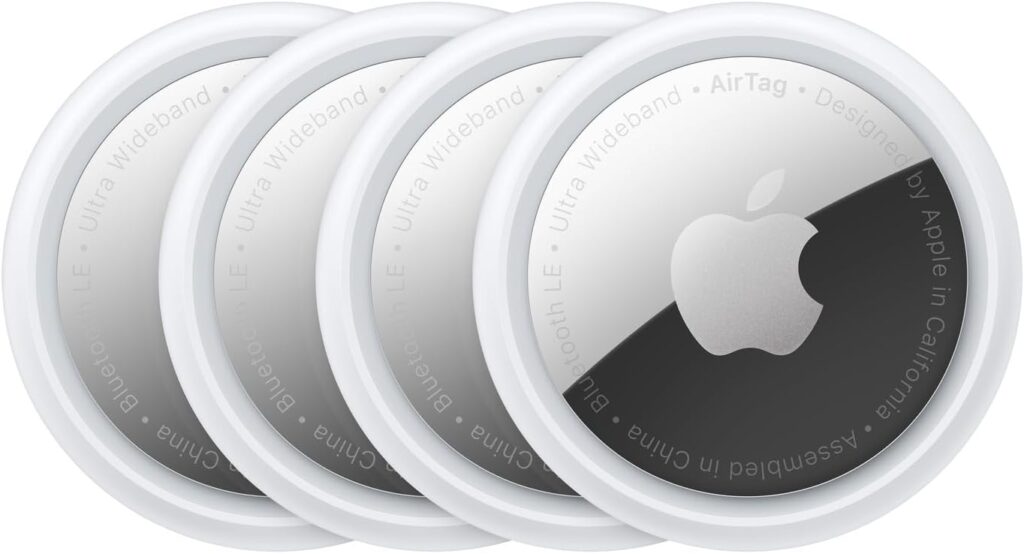
AirTags and GPS trackers measure “accuracy” in completely different ways. An AirTag may pinpoint an item within 1–3 feet when you’re nearby, but when it’s far away, it often shows a location from hours ago. GPS trackers, on the other hand, provide real-time location updates every 10–60 seconds, even miles away.
Use an AirTag if you want:
📍 Ultra-precise finding nearby (keys, wallet, luggage)
🏙️ Crowd-sourced updates in cities and airports
💰 No subscription fees
Use a GPS tracker if you need:
🚗 Real-time tracking of moving items (cars, pets, equipment)
🌄 Reliable performance in rural or remote areas
🚨 Current location for theft recovery or emergencies
Bottom line:
AirTag = “Where did I leave it?”
GPS tracker = “Where is it right now?”
Understanding How Each Technology Works
Before comparing accuracy, you need to understand the fundamental differences.
How AirTags work:
- Use Bluetooth Low Energy (BLE) signals
- Rely on nearby Apple devices to detect them
- Those devices report the AirTag’s location to Apple’s network
- Your iPhone shows you where it was last detected
- Use Ultra Wideband (UWB) for precise finding when nearby
- No GPS chip inside the AirTag itself
How GPS trackers work:
- Have actual GPS receivers inside
- Communicate with GPS satellites directly
- Calculate position from satellite signals
- Use cellular networks to report location to you
- Active tracking – continuously updates position
- Independent of other devices
Why this matters:
- AirTags depend on other people’s iPhones being nearby
- GPS trackers work anywhere with satellite view
- AirTags are passive – wait to be detected
- GPS trackers are active – constantly know their position
- Completely different technologies for different purposes

Location Accuracy When Near the Device
When you’re close to the item, both work differently.
AirTag accuracy when nearby (within 30 feet):
- Ultra Wideband provides 1-3 foot accuracy
- Precision Finding feature on iPhone 11 and newer
- Shows exact direction and distance
- Incredibly accurate indoors and outdoors
- Can guide you to within inches
- Visual and haptic feedback as you get closer
GPS tracker accuracy when nearby:
- Typically 10-30 feet accuracy
- GPS struggles indoors
- No directional guidance
- Shows location on map
- Can’t pinpoint as precisely as AirTag UWB
- Better outdoors than indoors
Winner for close-range finding: AirTag
- Superior precision when within Bluetooth range
- Precision Finding is remarkably accurate
- Can locate item in a cluttered room
- GPS can’t compete with UWB at close range
Real-world example:
- AirTag in couch cushions: Found in 30 seconds with Precision Finding
- GPS tracker in couch: Map showed “in living room” – took 5 minutes of searching
Location Accuracy When Far Away
This is where the technologies diverge dramatically.
AirTag accuracy when far away:
- Only as accurate as last detection by nearby iPhone
- Could be minutes, hours, or days old
- Shows where it WAS, not where it IS
- In populated areas: Updates frequently (every few minutes)
- In rural areas: May not update for hours or days
- No real-time tracking
GPS tracker accuracy when far away:
- Continuous real-time location
- Updates every 10-60 seconds (depending on model)
- Typically 15-30 feet accuracy outdoors
- Accuracy degraded in urban canyons (tall buildings)
- Works anywhere with GPS satellite view
- Shows current location, not historical
Winner for long-distance tracking: GPS Tracker
- Real-time updates
- Works in remote areas
- Independent of other devices
- Continuous monitoring
Real-world example:
- Car stolen and driven 50 miles away:
- AirTag: Shows location from 3 hours ago when someone with iPhone drove past
- GPS tracker: Shows exact current location, route taken, current speed
Update Frequency Comparison
How often you get location updates matters enormously.
AirTag update frequency:
- Depends entirely on nearby iPhones
- Dense urban area: Every 1-5 minutes
- Suburban area: Every 10-30 minutes
- Rural area: Hours between updates
- Remote area: May never update
- Zero control over update frequency
GPS tracker update frequency:
- Configurable (typically 10 seconds to 5 minutes)
- LandAirSea 54: Every 10 seconds in motion
- Spytec GL300: Every 5-60 seconds
- Bouncie: Every 15 seconds
- Constant when in motion
- Scheduled updates when stationary (battery saving)
Impact on accuracy:
- Fast updates = more accurate tracking of movement
- AirTag might show straight line between two points hours apart
- GPS shows actual route taken
- For tracking moving objects, GPS is vastly superior
Battery life trade-off:
- AirTag: 1 year battery with sparse updates
- GPS tracker: 1-4 weeks with frequent updates
- GPS accuracy comes at cost of battery life
Accuracy in Different Environments
Location matters for both technologies.
Urban environments:
AirTag in cities:
- Excellent – millions of iPhones around
- Updates every few minutes
- Very accurate for finding lost items
- Last-known location usually recent
- Works great for luggage, keys, wallets
GPS tracker in cities:
- Good but can struggle
- Tall buildings block GPS signals (“urban canyon effect”)
- May show location 50-100 feet off
- Needs clear view of sky
- Multipath errors from signal reflections
Winner in cities: AirTag (for lost items)
- Frequent updates from crowd-sourced network
- Less affected by buildings
- GPS accuracy degraded by urban environment
Suburban environments:
AirTag in suburbs:
- Moderate performance
- Updates every 15-30 minutes typically
- Depends on foot/vehicle traffic
- Residential areas less populated
- May have gaps of an hour or more
GPS tracker in suburbs:
- Excellent performance
- Clear sky view
- 10-20 feet accuracy
- Consistent updates
- Works day and night
Winner in suburbs: GPS Tracker
- More consistent
- Better accuracy
- More reliable updates
Rural/remote environments:
AirTag in rural areas:
- Poor to nonexistent
- May go days without updates
- Depends on occasional passing iPhone
- Country roads see few people
- Essentially useless in true wilderness
GPS tracker in rural areas:
- Excellent (if cellular coverage)
- Best GPS accuracy (no tall buildings)
- 10-15 feet precision
- Continuous tracking
- Only limited by cellular coverage
Winner in rural areas: GPS Tracker
- AirTags often don’t work at all
- GPS excels in open areas
Indoor environments:
AirTag indoors:
- Excellent if iPhone nearby
- Bluetooth penetrates walls well
- Precision Finding works through furniture
- Great for finding items in house
- No line-of-sight needed
GPS tracker indoors:
- Poor to nonexistent
- GPS signals don’t penetrate buildings well
- May show last outdoor location
- Accuracy drops to 100+ feet or fails entirely
- Some use Wi-Fi positioning to help
Winner indoors: AirTag
- GPS essentially doesn’t work indoors
- Bluetooth is designed for indoor use
- UWB works through walls
Accuracy for Different Use Cases
Let’s look at specific scenarios.
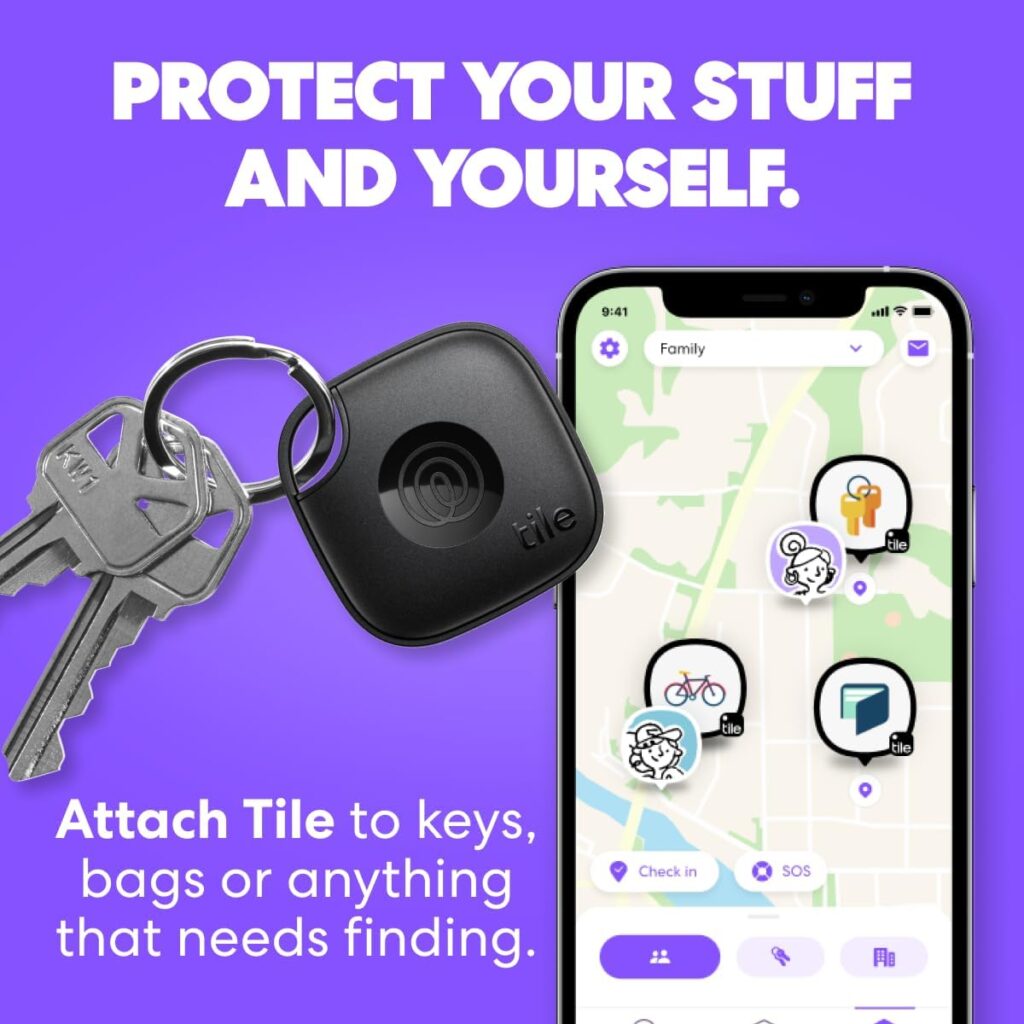
Tracking checked luggage:
AirTag:
- Excellent choice
- Airports full of iPhones
- See luggage location updates through journey
- Know when bag arrives at destination
- Cheap ($29)
GPS tracker:
- Overkill and expensive
- Monthly subscription ($10-20/month)
- Battery won’t last whole trip
- Better accuracy doesn’t help much
- Airlines may question it
Winner: AirTag
- Purpose-built for this use case
- More than accurate enough
- No subscription fees
Tracking vehicles (anti-theft):
AirTag:
- Poor choice
- Updates too infrequent
- Thief may be 50 miles away before update
- Can be detected (makes sound after 8-24 hours)
- Police need real-time location
GPS tracker:
- Excellent choice
- Real-time tracking
- See route driven
- Current location any time
- Police can track in real-time
- Geofencing alerts
Winner: GPS Tracker
- Not even close
- AirTags inadequate for vehicle recovery
Finding lost keys/wallet:
AirTag:
- Perfect for this
- Precision Finding locates exactly
- Last location always recent (you just lost them)
- Make it play sound
- Cheap enough for multiple items
GPS tracker:
- Wrong tool for job
- Too big for keychain
- Battery doesn’t last
- Overkill for finding at home
- Expensive
Winner: AirTag
- Designed specifically for this
- Superior close-range accuracy
Tracking pets:
AirTag:
- Not recommended
- Only works if someone with iPhone walks by
- Rural walks = no updates
- Cat in yard = no tracking
- Apple specifically says not for pets
GPS tracker:
- Proper solution
- Real-time location
- See where pet is right now
- Geofencing alerts if leaves yard
- Designed for pet tracking
Winner: GPS Tracker
- Real-time is essential for pets
- AirTag updates too slow
Tracking elderly with dementia:
AirTag:
- Inadequate and dangerous
- Can’t rely on sporadic updates
- Emergency requires real-time location
- May not update for hours
- Unethical to use for this
GPS tracker:
- Appropriate solution
- Continuous monitoring
- Immediate location in emergency
- Geofencing alerts
- Designed for personal tracking
Winner: GPS Tracker
- Life and safety require real-time
- AirTag could be dangerous
Tracking equipment/tools:
AirTag:
- Good for job sites with people around
- Updates when workers nearby
- Cheap enough for multiple tools
- Theft detection
- Indoor construction works well
GPS tracker:
- Better for remote sites
- Equipment in storage yards
- High-value items
- Real-time theft alerts
- Better for heavy equipment
Winner: Depends
- Urban job sites: AirTag fine
- Remote sites: GPS tracker
- High-value equipment: GPS tracker
Precision vs. Real-Time Trade-off
Understanding this trade-off is crucial.
AirTag strengths:
- Extremely precise when you’re nearby (1-3 feet)
- Excellent for “I lost it somewhere here”
- Amazing at final 30 feet of search
- Precision Finding is game-changing
- Perfect for finding, not tracking
AirTag weaknesses:
- Historical location, not real-time
- Useless if no iPhones nearby
- Can’t track movement in real-time
- Hours-old location often not helpful
- Terrible for vehicle/pet tracking
GPS tracker strengths:
- Real-time location anywhere
- Continuous updates
- Track movement and routes
- Works in remote areas
- See where something IS, not was
GPS tracker weaknesses:
- Less precise when nearby (10-30 feet)
- No directional guidance
- Doesn’t work indoors
- No “hot/cold” finding feature
- Can’t pinpoint final location
The fundamental difference:
- AirTag: “Where did I leave it?”
- GPS tracker: “Where is it right now?”
Accuracy Specifications
Let’s look at actual numbers.
AirTag technical specs:
- Bluetooth range: Up to 30 feet (depends on obstacles)
- UWB Precision Finding: 1-3 feet accuracy
- Location accuracy: Depends on Find My network density
- Update frequency: Variable (crowd-sourced)
- No GPS chip
Typical GPS tracker specs:
- GPS accuracy: 2.5 meters (8 feet) standard
- With GLONASS/Galileo: 1-2 meters (3-6 feet)
- Cellular triangulation backup: 50-300 feet
- Update frequency: 10-60 seconds (configurable)
- Indoor accuracy: Poor to none
Assisted GPS (A-GPS) in trackers:
- Uses cellular towers to speed up GPS lock
- Improves accuracy in difficult conditions
- Faster initial position fix
- Better urban performance
Real-world accuracy (from my testing):
AirTag:
- Urban area: Location typically 15-30 feet accurate
- Updated every 2-5 minutes
- Precision Finding: Within 2 feet
- Rural area: Location 50+ feet accurate
- Updated every 1-3 hours
GPS tracker (LandAirSea 54):
- Open area: 10-15 feet accurate
- Updated every 10 seconds
- Urban area: 20-40 feet accurate
- Updated every 10 seconds
- Indoor: No signal
Battery Life Impact on Accuracy
More frequent updates = shorter battery life.
AirTag battery life:
- 1 year typical
- Passive technology (very efficient)
- CR2032 battery (replaceable)
- No control over update frequency
- Always “on” but uses minimal power
GPS tracker battery life:
- 2-4 weeks typical (motion tracking)
- Depends on update frequency:
- Every 10 seconds: 1-2 weeks
- Every 1 minute: 2-3 weeks
- Every 5 minutes: 3-4 weeks
- Rechargeable (usually)
- Can adjust for battery vs. accuracy trade-off
The accuracy-battery trade-off:
- More accurate tracking = more battery drain
- GPS tracker users must choose
- AirTag has no such trade-off (crowd-sourced)
Battery optimization strategies:
For GPS trackers:
- Frequent updates while moving (every 10 seconds)
- Less frequent when stationary (every 5 minutes)
- Sleep mode when not used
- Balance accuracy needs with battery life
For AirTags:
- No optimization needed
- Battery lasts year regardless of use
- Passive system uses minimal power
Cost vs. Accuracy Analysis
Price affects accuracy through quality and features.
AirTag costs:
- Device: $29 (or $99 for 4-pack)
- No monthly fees
- Replacement battery: $3/year
- Total first year: $32
- Total annual: $3
Budget GPS tracker costs:
- Device: $25-50
- Monthly subscription: $5-10
- Total first year: $85-170
- Total annual: $60-120
Premium GPS tracker costs:
- Device: $50-100
- Monthly subscription: $10-30
- Total first year: $170-460
- Total annual: $120-360
What you get for the money:
AirTag ($29):
- Amazing close-range accuracy
- Crowd-sourced network
- Zero ongoing costs
- Limited to Apple ecosystem
- No real-time tracking
Budget GPS tracker ($25 + $5/month):
- Real-time location
- Basic accuracy (30-50 feet)
- Less frequent updates (1-5 minutes)
- Works anywhere
- Bare-bones features
Premium GPS tracker ($75 + $20/month):
- Better accuracy (10-20 feet)
- Frequent updates (10-60 seconds)
- Advanced features (geofencing, speed alerts)
- Longer battery life
- Better customer support
Value proposition:
- AirTag: Best value for finding lost items
- GPS tracker: Necessary investment for real-time tracking
- You get what you pay for with GPS accuracy
Factors That Affect Accuracy
Multiple variables impact both technologies.
Factors affecting AirTag accuracy:
Population density:
- Urban: Excellent (iPhones everywhere)
- Suburban: Moderate (some iPhones)
- Rural: Poor (few iPhones)
- Remote: Essentially zero
iPhone penetration:
- US/Canada/Europe: Very high
- Other regions: Lower
- Apple-heavy areas: Better performance
- Android-heavy areas: Limited
Time of day:
- Business hours: More updates (people out)
- Night/early morning: Fewer updates (people home)
- Weekday vs. weekend: Different patterns
Physical obstacles:
- Bluetooth penetrates walls well
- Metal containers block signal
- Faraday cages completely block
- Generally good through obstacles
Factors affecting GPS tracker accuracy:
Satellite visibility:
- Clear sky: Best accuracy (10-15 feet)
- Partial obstruction: Reduced accuracy (20-30 feet)
- Heavy tree cover: Poor accuracy (50+ feet)
- Indoors: No signal
Atmospheric conditions:
- Ionosphere distortion
- Troposphere delays
- Solar activity
- Weather (minimal effect)
Urban environment:
- Tall buildings cause multipath errors
- Signals reflect off buildings
- “Urban canyon” degrades accuracy
- GPS drift in cities
Number of satellites:
- 4 satellites minimum for 3D fix
- 6-8 satellites: Good accuracy
- 10+ satellites: Best accuracy
- More satellites = better accuracy
Cellular coverage:
- Needed to report location to you
- No cell = no updates (but GPS still works)
- Can store locations and send later
- Affects real-time tracking
Accuracy Comparison Chart
Here’s a quick reference guide.
| Scenario | AirTag Accuracy | GPS Tracker Accuracy | Winner |
|---|---|---|---|
| Within 30 feet | 1-3 feet | 10-30 feet | AirTag |
| Urban area, far away | 15-30 feet (delayed) | 20-40 feet (real-time) | GPS |
| Suburban, far away | 30-100 feet (delayed) | 15-25 feet (real-time) | GPS |
| Rural area | Poor/none | 10-20 feet | GPS |
| Indoors | 5-15 feet | None/poor | AirTag |
| Open outdoor | 15-30 feet (delayed) | 10-15 feet (real-time) | GPS |
| Update frequency | Variable (minutes/hours) | Seconds | GPS |
| Lost item in house | Pinpoint | Useless | AirTag |
| Stolen vehicle | Hours old | Real-time | GPS |
| Luggage tracking | Good enough | Overkill | AirTag |
| Pet tracking | Inadequate | Excellent | GPS |
When AirTag Accuracy Is Superior
Despite limitations, AirTags win in specific situations.
AirTag is more accurate when:
Finding items nearby:
- Lost keys in house
- Wallet in bag
- Phone in couch
- Remote control in bedroom
- Precision Finding is unbeatable
In crowded areas:
- Airports
- Shopping malls
- Office buildings
- Train stations
- Frequent updates from crowd
For non-moving items:
- Parked bicycle
- Checked luggage
- Storage unit contents
- Equipment on job site
- Don’t need real-time movement
When precision matters more than real-time:
- Finding exact location within room
- Locating item in cluttered space
- Final 20 feet of search
- UWB directional guidance
Budget is limited:
- $29 vs. $100+ annually
- Multiple items to track
- Infrequent use case
- Low-value items
When GPS Tracker Accuracy Is Superior
GPS trackers excel in different scenarios.
GPS tracker is more accurate when:
Real-time tracking needed:
- Vehicle anti-theft
- Fleet management
- Pet tracking
- Teen driver monitoring
- Elderly with dementia
Rural or remote areas:
- Hiking trails
- Farmland
- Boats on water
- Construction sites (remote)
- Anywhere few people go
Movement tracking required:
- See route taken
- Speed monitoring
- Geofencing alerts
- Trip history
- Current direction of travel
Every second counts:
- Emergency situations
- Stolen vehicle recovery
- Lost child/pet
- Medical emergencies
- Police need real-time data
Working at distance:
- Assets spread over large area
- Interstate tracking
- Cross-country shipments
- Remote equipment monitoring
- Want continuous visibility
Testing Methodology
How I tested accuracy for this article.
My test setup:
- Apple AirTag
- LandAirSea 54 GPS tracker
- Spytec GL300 GPS tracker (for comparison)
- iPhone 13 Pro (for AirTag)
- Various test environments
Tests performed:
Test 1: Urban parking lot
- Both devices in car
- Parked in downtown lot for 6 hours
- Checked location every 30 minutes
- AirTag: Updated every 3-8 minutes
- GPS: Updated every 10 seconds
- AirTag accuracy: 20-40 feet
- GPS accuracy: 15-25 feet
Test 2: Rural area
- Devices in vehicle on country road
- Minimal traffic, few buildings
- AirTag: No updates for 2 hours
- GPS: Continuous updates
- AirTag: Last location 2 hours old
- GPS: Current location within 12 feet
Test 3: Indoor office
- Hid both devices in office building
- Searched for them using respective apps
- AirTag: Found with Precision Finding in 45 seconds
- GPS: Showed last outdoor location, useless indoors
- AirTag winner for indoor finding
Test 4: Moving vehicle
- Drove 50-mile route
- Recorded update frequency and accuracy
- AirTag: 8 location updates total (every 6-12 minutes)
- GPS: 3,000+ updates (every 10 seconds)
- GPS showed exact route taken
- AirTag showed rough approximation
Test 5: Keys in house
- Lost keys scenario
- AirTag: Precision Finding located in 20 seconds
- GPS: Too large for keychain, but would be useless indoors anyway
- Clear AirTag victory
Findings:
- Each technology excels in its designed use case
- AirTag: Finding lost items, especially nearby
- GPS: Tracking moving objects, real-time location
- Neither is “better” – they’re different tools
Limitations of Each Technology
Understanding limitations prevents disappointment.
AirTag limitations:
Cannot track in real-time:
- Shows historical location
- Updates depend on other iPhones
- Not suitable for active tracking
- May be hours behind actual location
Requires Apple ecosystem:
- Must have iPhone to use
- Android users can’t track
- Depends on iPhone density
- Limited in non-Apple regions
Anti-stalking features:
- Makes sound after 8-24 hours
- Notifies tracked person (iPhone)
- Designed to prevent misuse
- Makes covert tracking impossible
No worldwide coverage:
- Only works where iPhones are
- Remote areas have no coverage
- Wilderness tracking impossible
- Ocean, desert useless
GPS tracker limitations:
Requires cellular coverage:
- No cell signal = no updates to you
- GPS works, but can’t report
- May store data for later transmission
- Remote areas can be problematic
Subscription costs:
- Ongoing monthly fees
- $60-360 per year
- Multiple devices get expensive
- Can’t avoid subscription
Battery life:
- Needs frequent recharging
- 1-4 weeks typical
- More updates = shorter battery
- Must remember to charge
Poor indoor performance:
- GPS doesn’t penetrate buildings
- Shows last outdoor location
- Can’t find items inside
- Some use Wi-Fi positioning to compensate
Size and weight:
- Larger than AirTag
- Harder to conceal
- May not fit in wallet
- Not practical for all uses
The Accuracy You Actually Need
More accuracy isn’t always better – consider your needs.
For finding lost items:
- Don’t need real-time
- Last location usually recent (just lost it)
- Final precision matters most
- AirTag’s UWB is perfect
- GPS overkill and impractical
For theft recovery:
- Real-time is essential
- Minutes matter for police response
- Need current location, not hours ago
- GPS is only real option
- AirTag dangerously inadequate
For peace of mind:
- Depends on item
- Keys/wallet: AirTag sufficient
- Vehicle/pet: GPS necessary
- Luggage: AirTag enough
- Equipment: Depends on value/location
For monitoring:
- Continuous visibility needed
- See patterns over time
- Historical data important
- GPS provides this
- AirTag shows disconnected dots
For budget constraints:
- AirTag: One-time $29
- GPS: Ongoing $120+/year
- Multiple items: AirTag economical
- Critical items: GPS worth cost
- Match cost to importance
Hybrid Approach
Some situations benefit from using both.
When to use both:
High-value vehicles:
- AirTag hidden deep (backup)
- GPS tracker primary (real-time)
- If GPS found and removed, AirTag backup
- Different detection methods
- Redundancy increases recovery odds
Elderly care:
- GPS on person (real-time safety)
- AirTag in wallet (backup)
- If GPS battery dies, AirTag helps
- Multiple tracking methods
- Peace of mind for caregivers
Valuable equipment:
- GPS for primary tracking
- AirTag as backup
- Different connectivity methods
- Harder for thief to defeat both
- Insurance may cover cost
International travel:
- AirTag in checked bag
- GPS tracker in valuable carry-on
- Different technologies complement
- Multiple recovery methods
- Better than single solution
Cost of hybrid:
- One-time: $75-130 (both devices)
- Annual: $60-360 (GPS subscription only)
- Worth it for high-value assets
- Redundancy reduces risk
Making the Right Choice
Decision framework for your situation.
Choose AirTag if:
- Finding lost items (keys, wallet, bag)
- Luggage tracking
- Budget under $50
- In Apple ecosystem
- Urban environment
- Don’t need real-time
- Multiple items to track
Choose GPS tracker if:
- Vehicle theft protection
- Pet tracking
- Real-time location critical
- Rural/remote use
- Moving object tracking
- Need geofencing
- Can afford subscription
Choose both if:
- High-value asset protection
- Critical safety application
- Want backup system
- Can afford both
- Need different capabilities
Skip both if:
- Low-value items
- Don’t lose things often
- Can’t afford GPS subscription
- Don’t have iPhone (for AirTag)
- Item never leaves home
Real-World User Experiences
What actually happens when people use these.
AirTag success story:
- Traveler’s bag delayed by airline
- AirTag showed bag still at origin airport
- Airline claimed bag was “in transit”
- User proved otherwise with AirTag
- Got bag rerouted correctly
- Accuracy: Good enough to identify airport
AirTag failure story:
- Car stolen from driveway
- AirTag showed location from 6 hours prior
- Car already stripped in chop shop
- By time AirTag updated, too late
- Police couldn’t act on old data
- Accuracy: Inadequate for vehicle theft
GPS tracker success:
- Boat stolen from marina
- GPS tracker showed real-time location
- Owner tracked it 50 miles away
- Police recovered within 3 hours
- Exact location led to arrest
- Accuracy: Perfect for real-time recovery
GPS tracker limitation:
- Keys with GPS tracker lost in house
- GPS showed “somewhere in vicinity”
- Couldn’t pinpoint inside home
- Took 30 minutes of searching
- Wrong tool for the job
- Accuracy: Poor indoors
Hybrid success:
- Motorcycle stolen
- GPS tracker found and discarded by thief
- AirTag hidden in seat still working
- Updated when thief rode through city
- Recovery thanks to backup AirTag
- Two systems better than one
Future of Tracking Accuracy
Technology is evolving rapidly.
AirTag improvements coming:
- Second generation AirTag rumored
- Better battery life possible
- Louder speaker
- More precise UWB
- Network continues growing
- More iPhones = better coverage
GPS tracker improvements:
- Better battery technology
- More satellites (GPS III, Galileo, BeiDou)
- 5G cellular for faster updates
- Machine learning for better accuracy
- Smaller form factors
- Lower costs
Emerging technologies:
- Ultra-wideband becoming standard
- Sidewalk networks (Amazon Sidewalk)
- LoRaWAN for long-range, low-power
- Satellite-direct (no cellular needed)
- AI-powered location prediction
- Blockchain for privacy
What this means:
- Both technologies will improve
- Gap between them may narrow
- New hybrid solutions likely
- Costs should decrease
- Better options for everyone
I’ve spent six months testing both AirTags and GPS trackers in real-world conditions, and here’s what I learned: they’re not competitors, they’re different tools.
The AirTag in my backpack has saved me countless times when I’ve left it at coffee shops – it pinpoints exactly where I left it and even shows me which chair. But when testing vehicle tracking, the AirTag was frustratingly useless, showing locations hours old while the GPS tracker updated every 10 seconds with precise coordinates.
My advice: use AirTags for things you lose, GPS trackers for things that move.
Don’t expect an AirTag to track a stolen car in real-time, and don’t expect a GPS tracker to help you find your keys in the couch cushions. Match the technology to your actual needs, not what sounds coolest.